










Where Technology, Capability and Partnership Meet
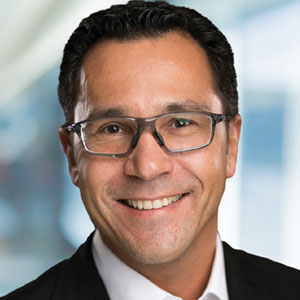
Beau Paparoa, Head of Motor Claims, Aa Insurance Nz

Beau Paparoa, Head of Motor Claims, Aa Insurance Nz
Repairing a modern vehicle is not just a matter of more advanced technology. It is more complex work, requiring continuous training, specialist tools and access to correct manufacturer specifications. For independent repairers, that means keeping pace represents a significant investment.
AA Insurance’s recent Lifestyle Survey found that more than half of drivers would consider an EV within the next five years, while three in four would consider a hybrid. This points to an increasingly diverse vehicle fleet, with hybrids, EVs and a growing number of new international brands sitting alongside the petrol and diesel vehicles already on New Zealand’s roads.
The future is not about focusing on any one vehicle type, but ensuring your repair network has the skills, technology and capacity to support an increasingly varied fleet.
EVs show what this transition means in practice. The common assumption is that any knock to an EV means a write-off, and that battery damage makes repairs prohibitively expensive. Battery damage can be costly, but it is not the main pressure our repairers see. Most constraints today relate to parts availability, supply chains and access to manufacturer information - and I expect those to ease as the market matures.
This is why the industry has a role to play in explaining things clearly: how damage is assessed, what can be safely repaired, what must be replaced, and how customers will be supported after an incident.
Building that capability across a diverse repair network cannot happen in isolation - and it is not something we claim expertise in. Vehicle repair is a specialist trade and getting the best outcome for customers means insurers, specialist partners and independent repairers work together, each doing what they do best. It also means investing in the people coming through, which is why our Sponsored Apprentice Programme funds training, equipment and mentoring for young repairers.
Partnerships that deliver better customer outcomes
The equipment, training and manufacturer approvals needed to repair a modern vehicle are beyond what most independent workshops can fund on their own. If the network is going to keep pace, capability has to be shared rather than concentrated.
That is the thinking behind how we have approached partnerships. Fix Auto Collision New Zealand is the clearest example: it gives locally owned repairers access to operational support, technical knowledge, established systems and global supply arrangements, so they can build the capability and consistency that complex vehicles now demand. Rather than international expertise displacing local businesses, it strengthens them, which matters in a market the size of New Zealand's, where independent repairers carry out the majority of our work and are a significant part of how customers get back on the road.
Our relationships with Drive Group and Capital Smart add specialist capability and capacity alongside it, and the proof is in our reduced cycle times. Over the past year, average repair time from claim lodgement to completion through Drive Group fell by roughly 48% - a meaningful difference to someone waiting on their only car.
Capacity also matters when demand arrives all at once. After the Timaru hailstorm in November 2025, we brought in our Brisbane-based hail response team, who worked alongside local repairers using paintless dent repair to get vehicles back to customers before the holidays.
Partnership is not simply about outsourcing. It brings claims expertise, specialist capability and surge capacity together around the customer. Despite advances in technology, one thing has not changed in my 22 years in insurance.
Motor claims remain deeply personal. Vehicles will continue to evolve, and repair capabilities will become more specialised, but strong partnerships will determine how effectively those changes reach customers. Through it all, trust and personal connection will remain at the heart of every successful claim.
-
When an incident does occur, the industry must be ready to assess and repair increasingly sophisticated vehicles safely and efficiently, so drivers can get back on the road faster.
